RV Solar System Cost: What You’ll Pay in 2026 + How to Budget Smart
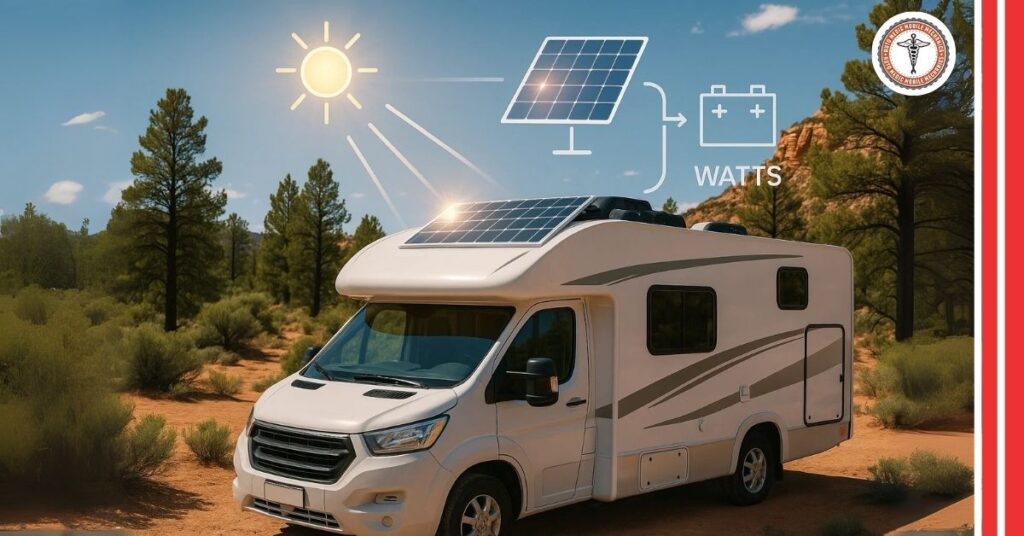
If you’re pricing an RV solar power setup, here’s the truth: the panels are usually the easy part. The real “why is this so expensive?” comes from battery storage, inverter capacity, installation complexity, and how off-grid you truly want to be.
This guide breaks down RV solar system pricing, compares portable solar generators vs. roof installs, and gives you a simple way to size a system that fits your travel style (without buying the wrong stuff twice).
2026 RV solar cost ranges (realistic starting points)
Most RV owners land somewhere between a small weekend setup and a full off-grid build. One 2026 pricing snapshot shows these common brackets for parts-only vs. installed systems.
System size | Best for | Typical DIY parts range | With pro install (often) |
100–200W | Phones, lights, fans | $300–$600 | $500–$900 |
300–400W | Small fridge + basics | $700–$1,200 | $1,000–$1,800 |
500–800W | Heavier daily use | $1,300–$2,500 | $2,000–$3,500 |
1000W+ | Off-grid focused, larger loads | $3,000–$6,000 | $4,500–$8,000+ |
Big-picture, many guides put the broader cost of RV solar system projects in the $500–$10,000 range depending on goals and install method.
What you’re actually paying for (and what moves the price)
A complete solar camper system is more than “rv solar panels + done.” Typical build pieces:
Solar panels (roof or ground-deploy)
- Rigid panels are most common for roofs (good durability).
- Flexible panels can work on curved surfaces but can run hotter and may not last as long in harsh sun.
Charge controller (MPPT vs PWM)
- MPPT usually costs more but harvests more power (especially in cool temps and partial shade).
- PWM is cheaper and simpler but less efficient.
Battery bank (this is the budget boss)
- AGM/lead-acid: lower upfront cost, heavier, less usable capacity.
- Lithium (LiFePO₄): higher upfront cost, lighter, more usable capacity, longer cycle life.
Inverter (if you want standard AC outlets)
- Small inverter = small price.
- Want microwave, coffee maker, or higher surge loads? Inverter size jumps, and so does cost.
The “extras” that add up fast
- Roof mounts, sealants, gland/entry boxes
- Proper wire gauge, fuses/breakers, bus bars
- Monitoring (shunt, Bluetooth controller, display)
- Labor time to route wiring cleanly and safely
Cost tip: If your quote feels “weirdly high,” it’s often because the build includes more battery + bigger inverter than you expected (not because someone is overcharging for panels).
Portable solar generator vs. roof install vs. hybrid (which is best?)
This is where a lot of people save money and frustration.
Option A: Portable solar generator for RV (power station + folding panels)
Best for: weekenders, renters, “I want power without drilling holes.”
Pros
- No roof penetrations
- Quick setup, easy to move between rigs
- Great backup power at home too
Cons
- Limited expansion compared to a full system
- Less efficient than a roof array feeding a dedicated battery bank (in many cases)
- You still need a plan to recharge on cloudy days
Example pricing: portable folding solar kits can sit in the “few hundred dollars” range depending on wattage and sales.
Option B: Roof-mounted RV solar panels + battery bank
Best for: frequent boondockers, vanlifers, longer trips, “solar powered RV” lifestyle.
Pros
- Always working while parked (and often while driving)
- Clean install, scalable
- Strongest long-term off-grid solution
Cons
- Install complexity: wiring routes, roof sealing, controller placement, inverter ventilation
- Roof space limits (especially on small rigs)
Option C: Hybrid (roof solar + portable add-on)
Best for: people who camp in shade but still want solar.
Use roof panels for baseline charging, then deploy portable panels in the sun while the RV sits in shade. This is an underrated “best of both worlds.”
You can also read: Mobile RV Solar Panel Upgrades: What’s Worth It in 2026
How to size RV solar power in 15 minutes (no math headache)
Before you price anything, size it. Here’s a simple method that works for RVs, vans, and travel trailers.
Step 1: List your daily power needs (in watt-hours)
Make a quick list:
- Fridge (12V compressor): varies a lot
- Lights
- Fans
- Laptop / phone charging
- CPAP
- Microwave (short bursts but high draw)
Shortcut: If you don’t know exact numbers, start with your “must-run” items and be conservative.
Step 2: Decide how many days you want to last without sun
- 0.5–1 day: weekend style
- 1–2 days: typical boondocking comfort
- 3+ days: serious off-grid (cost jumps)
Step 3: Size your battery first (then panels)
Battery capacity is your “overnight and cloudy-day insurance.”
- Lead-acid systems typically use less of the rated capacity
- Lithium systems can use more of the rated capacity (often making them feel “bigger” in real life)
Step 4: Size panels to refill what you use
More panels = faster recharge and better performance in less-than-perfect conditions.
Rule of thumb: If you hate running a generator, you’ll want more panel than the bare minimum.
Step 5: Choose inverter size based on the largest load you’ll run
If you’re only doing USB/12V, you may not need a big inverter at all. If you want kitchen appliances, your inverter (and wiring) must match.
Real-world RV solar system pricing examples (3 common builds)
These aren’t “one perfect setup,” but they reflect how most people shop.
1) Weekend + light use (minimalist)
- 200–300W panels
- MPPT controller
- Smaller battery bank
- Small inverter (or skip inverter)
Good for: short trips, charging, lights, fans
Budget range commonly lands in the lower brackets.
2) Boondocking comfort (most popular)
- 400–800W panels
- MPPT controller
- Bigger lithium or robust AGM bank
- Mid-size inverter
Good for: fridge, daily electronics, moderate appliance use
Often where “RV solar panels cost” starts to feel worthwhile long-term.
3) Off-grid heavy use (high demand)
- 1000W+ array (roof space permitting)
- Larger battery bank
- Higher-capacity inverter
- Clean install with protection + monitoring
Good for: extended off-grid living, higher loads
This is where many systems push into the multi-thousand range installed.
DIY vs. professional install (and what pro install really buys you)
A DIY build can look cheaper up front, and it often is. But the trade-off is risk and time. One industry guide puts DIY builds in a lower range, with professionally installed systems climbing higher.
DIY makes sense when…
- You’re doing a simple system
- You’re comfortable with DC wiring, fusing, and roof sealing
- You have time to troubleshoot
Pro install is worth it when…
- You’re mixing solar + inverter + lithium + existing RV electrical
- You want clean cable routing, proper overcurrent protection, and fewer gremlins later
- You don’t want a roof leak to become your villain origin story
Auto Medic Mobile Mechanics & RV Repair tip: Even if you DIY the main parts, it’s smart to have a tech inspect the install—battery connections, fuse sizing, wire routing, controller settings, inverter ventilation, and roof penetrations—before you rely on it off-grid.
Hidden costs and common mistakes (that make RV solar feel “overpriced”)
Here’s what most people don’t budget for:
- Underbuying battery: panels look great at noon… then you’re dead by 9pm.
- Cheap wiring/undersized cable: voltage drop kills performance and can create heat issues.
- No proper fusing/breakers: safety risk and harder troubleshooting.
- Poor roof sealing: water damage costs way more than any solar upgrade.
- Shading reality: one roof-mounted vent shade can reduce output more than you think.
- Buying a huge inverter “just in case”: oversized inverter + small battery = disappointment.
What changes RV solar cost the most in the real world?
If two RV owners both say “I want solar,” they can mean totally different things.
Big cost drivers:
- Air conditioner expectations (this is a whole different tier)
- Battery chemistry (lithium vs AGM)
- How often you camp off-grid
- Roof space / layout (vents, AC unit, racks)
- Your parking habits (sun vs shade)
- Whether you want a van solar installation style build (tight space, careful routing)
How to get an accurate quote (and avoid guesswork)
Before you buy or request pricing, gather:
- RV type + roof space estimate
- Your must-run devices (fridge type matters)
- Battery type preference (AGM vs lithium)
- Whether you need 120V AC loads (microwave, coffee maker, etc.)
- Whether you’re considering Go Power / kit-based systems or custom components
- If you want future expansion (add panels later, upgrade battery later)
A good quote should clearly separate:
- Parts list (with wattage/capacity)
- Install labor
- Protection hardware (fuses/breakers)
- Any roof work needed
FAQs
Usually, yes for light-to-moderate needs—especially if you want simple setup and no installation.
It depends on fridge type (12V compressor vs absorption), daily temperature, and how much battery storage you have. Many rigs do well starting in the 300–400W range with adequate battery.
It can, but it’s expensive and space-intensive. Running AC reliably typically requires a large battery bank, a high-capacity inverter, and enough panel to recharge.
Quality rigid panels can last many years; performance slowly declines over time. Real lifespan depends on mounting, heat, vibration, and exposure.
Conclusion: pick the system that matches how you actually camp
If you mostly do weekends and want convenience, start with a portable solar generator for RV. If you boondock often, a roof system with a properly sized battery bank is where RV solar power really shines. And if you’re somewhere in the middle, a hybrid setup is often the best value.
If you want help planning or checking a build, Auto Medic Mobile Mechanics & RV Repair can assess your current RV electrical setup, recommend a right-sized system, and troubleshoot installs so you can camp off-grid with confidence. Request a quote or book an RV electrical/solar inspection.
Recent Posts
- What Is the Most Expensive Thing to Repair on a Car? (Complete 2026 Guide)
- Is Using a Mobile Mechanic a Good Idea? Pros, Cons & Everything You Need to Know
- Mobile Auto Repair: What Drivers Should Know Before Booking Service
- Signs Your RV Hydraulic Leveling System Needs Repair
- RV Roof Maintenance: Preventing Leaks and UV Damage
Recent Comments
No comments to show.

Privacy & Policy | Terms & Conditions
Quick Links
2024 - 2026 Auto Medic Mobile Mechanics. All rights reserved.
Powered by  ICONIER Digital Agency